
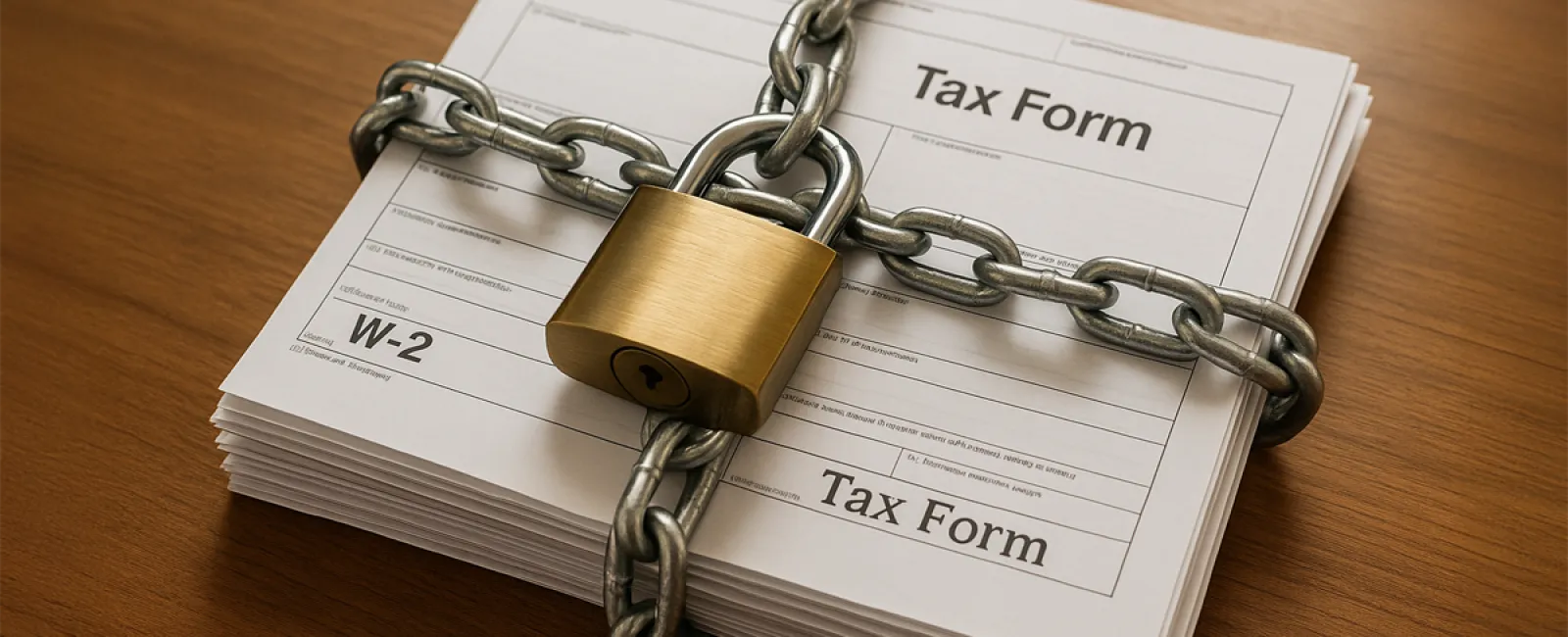
It's February and the rush of tax season is in full swing. Accountants are busier than ever, bookkeepers are gathering important documents, and the focus is on W-2s, 1099s, and looming deadlines.
But here's something often overlooked: the first major headache of tax season isn't a tax form — it's a cunning scam.
One prevalent scam surfaces early in the season because it's convincing, simple, and targets small businesses directly. It might already be sitting in someone's inbox at your company.
The W-2 Scam Explained: What You Should Know
Here's how it unfolds:
An employee responsible for payroll or HR receives an email that appears to come from the CEO, owner, or a top executive.
The email is brief and urgent:
"I need copies of all employee W-2s for an important accountant meeting. Can you send them right away? I'm swamped today."
The message sounds legitimate. The tone is familiar and the urgency seems natural given the busy tax season. The request also appears reasonable.
So, the employee forwards the W-2s.
But the email did not come from the CEO—it's from a cybercriminal using a spoofed email address or a deceptive domain.
That scammer now has personal details for every employee:
• Full name
• Social Security number
• Home address
• Salary details
All the information needed for identity theft and filing fake tax returns before your staff can submit theirs.
The Aftermath: What Happens to Your Employees
Usually, employees discover the fraud when their tax returns are rejected with the message: "Return already filed for this Social Security number."
Someone has already filed under their identity and claimed their refund.
Now your employee faces IRS inquiries, credit monitoring, identity theft protection services, and months of paperwork—all triggered by a single fraudulent email.
Multiply this risk across your entire employee base. Then imagine the damage to your company's trust, reputation, and potential legal liabilities.
Why This Scam Is So Effective
This isn't a clumsy phishing attempt from a stranger. It's meticulously crafted because:
The timing is spot-on. Requests for W-2s are expected in February. No one questions why they're needed now.
The request sounds plausible. It's not about wiring money or buying gift cards; it's a common tax-season document sharing.
The urgency feels genuine. An overwhelmed boss asking for quick help fits well in a busy office.
The sender appears authentic. Scammers research carefully, using real executive names and sometimes even mimicking accountants.
Employees want to assist their leaders promptly, so they often overlook verifying such urgent requests.
Proactive Steps to Safeguard Your Business Now
The silver lining? You can stop this scam before it starts, with a combination of policies and culture—not just technology.
Implement a strict "no W-2s via email" policy—no exceptions. Sensitive payroll documents should never leave your office as email attachments. If anyone requests them electronically, the answer must be no, even if it looks like it's coming from your CEO.
Confirm all sensitive requests through a separate communication channel: call, in-person verification, or chat using known contact details rather than replying directly to the email. This simple step takes seconds and can prevent long-term issues.
Hold a quick team briefing on tax scams immediately. Don't wait. Inform your payroll and HR staff about the growing threat, what to watch for, and how to respond. Awareness is the cheapest insurance.
Secure your payroll and HR systems with Multi-Factor Authentication (MFA) wherever employee data is accessed. If accounts are compromised, MFA acts as a critical last line of defense.
Create a workplace culture that encourages verification. Employees who double-check unusual requests from executives should be applauded, not criticized. When caution is rewarded, scams have nowhere to thrive.
Five straightforward rules—easy to apply this week and powerful enough to block the first wave of attacks.
Looking Beyond the W-2 Scam
The W-2 scam is just the beginning of tax season's surge in cyber threats.
Between now and April, you can expect:
• Fraudulent IRS notices demanding immediate payment
• Phishing emails pretending to be tax software updates
• Spoofed messages from "your accountant" containing malicious links
• Fake invoices timed to resemble legitimate tax expenses
Criminals exploit the chaos and speed of tax season, making suspicious financial requests look normal.
Businesses that navigate tax season safely aren't lucky—they're prepared with strong policies, training, and systems that catch threats before they escalate.
Assess Your Business' Defense Now
If your team is already trained and your policies are solid, you're ahead of many small businesses.
If not, don't wait for a breach to act.
Schedule a 15-minute Tax Season Security Check to review:
• Payroll and HR system access protocols with MFA
• W-2 handling and verification procedures
• Email safeguards against spoofing
• Critical policy adjustments that too many businesses overlook
If you feel secure already, that's great! But please share this with any business owner who might benefit. It could prevent a costly disaster.
Click here or give us a call at 323-410-7785 to schedule your free 10-Minute Discovery Call.
Because tax season is stressful enough without the added risk of identity theft.


